


Parcel Pending
4.22.18K Reviews
App Specs
- Version
- 1.35.7
- Updated On
- License
- Free
- Downloads
- 100,000+
- Developer
- Parcel Pending
- Categories
- House & Home
- Platform
- Android, iOS
Screenshots
 Analysis by AppCompare
When I share a home, a package is rarely just my problem: someone has to notice it arrived, tell the right person, and make sure it gets collected before it becomes a hallway obstacle. Parcel Pending is useful in that particular situation because it connects a resident with deliveries placed in a locker, rather than asking everyone to keep checking the front door. Its value depends on having access to a participating locker setup, so I’d think of it as a practical building tool, not a general-purpose parcel tracker.
A delivery that fits around a household
Picture a weekday when I’m at work, another person at home is busy, and a parcel arrives while nobody is near the entrance. With a locker-based delivery, the resident notification gives the household a clearer signal: the delivery is waiting for pickup, rather than being left to guess whether it has arrived. I can then plan to collect it on my way in, instead of asking someone to watch the door or interrupting the day to coordinate a missed handoff.
That distinction matters most for apartment residents and other people whose building uses these lockers. Compared with a delivery left at the door, a locker gives the pickup process a more controlled endpoint. Compared with sending a parcel to a workplace or asking a neighbor to accept it, it can also avoid involving someone who has a different schedule. The trade-off is equally important: the app is only useful for deliveries that can be handled through the building’s Parcel Pending arrangement. If my home has no participating lockers, a carrier’s tracking app or ordinary delivery instructions are the more relevant option.
One account, one person’s access
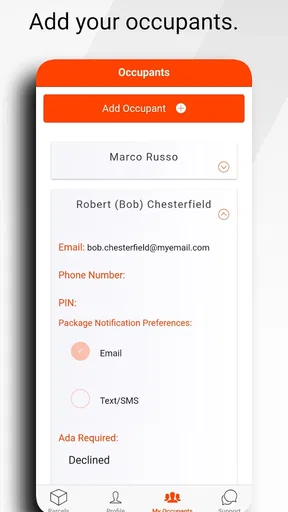
I would keep the account boundary in mind when several people live together. A notification on my phone is convenient, but it doesn’t automatically mean every housemate can see it or collect a package. The app’s role is to help the resident manage locker deliveries; I wouldn’t assume it provides household profiles, shared permissions, or a way to assign pickup rights. Before relying on it for a family routine, I’d establish who is the account holder and how the person doing the pickup will receive the necessary information.
A useful practical habit is to agree on a simple handoff before a parcel arrives: the account holder checks the alert, then contacts the person who is actually passing the lockers. That avoids treating a private notification as a shared household message. It also makes the process less awkward when a roommate is collecting something for someone else. I’d avoid sharing account credentials casually; if another person needs to pick up a package, follow the building’s permitted process rather than assuming that handing over a login is the intended solution.
Coordination without making pickup a chore
The best use I can see is as a small piece of a household routine, not another app everyone has to monitor constantly. For example, the person who receives the alert can mention the parcel in the household chat and ask whoever is already going past the locker area to collect it. That is more efficient than making a special trip, especially if the locker is not right beside the apartment entrance. It also helps prevent two people from separately checking on the same delivery.
There is a limit to that convenience: a notification tells the account holder about a delivery, but the household still needs to decide who acts on it. If several residents order frequently, a shared note or a quick message can help distinguish whose package is whose without assuming the app organizes household orders for them. I’d also make pickup part of an existing trip—taking out recycling, walking the dog, or returning from work—rather than waiting until a parcel becomes urgent. The app can simplify the handoff, but it can’t replace a household agreement.
Worth Reading Before You Choose

EA SPORTS FC Mobile 26 Is a Bigger Football Game, but It Takes Time

Flipboard Shows What News Apps Must Do Beyond the Feed

Switching to Android Auto Means Rethinking Your Driving Routine

Google Calendar Makes a Crowded Week Easier to Manage

Ludo King Makes the Most of the Minutes Between Plans

Baby Panda World Brings Quick Play to Modern Phones, but Its Game Library Feels Busy
Age, trust, and the right level of supervision
The app is rated for Everyone, and its subject is straightforward: receiving and collecting packages. That age label doesn’t settle whether a child should manage deliveries independently. A locker pickup involves access to a household parcel and a trip to the locker location, so I’d base that decision on the child’s maturity, the building’s setup, and the family’s rules—not on the rating alone. For a younger resident, I’d keep the account and pickup arrangements with an adult.
For older teenagers or housemates, the question is less about understanding the app and more about trust and responsibility. Who is allowed to collect a delivery? What should happen if the notification arrives when the account holder is away? Those are worth agreeing on in advance. A clear routine protects privacy and reduces confusion without pretending that the app includes family controls. If the household needs detailed permissions or shared visibility, I’d look for a solution designed specifically for that, rather than expecting a resident parcel app to provide it.
As a free House & Home app from Parcel Pending, it has a focused job rather than a broad set of home-management tools. Its average rating is 4.3 from around five thousand ratings, with roughly two thousand two hundred written reviews, and it has been installed over one hundred thousand times. It first appeared on May 7, 2018; version 1.35.7 supports Android 4.4 and later. Those figures give a sense of an established resident service, but they don’t change the main decision: the building’s locker arrangement has to match your needs.
What is Parcel Pending?
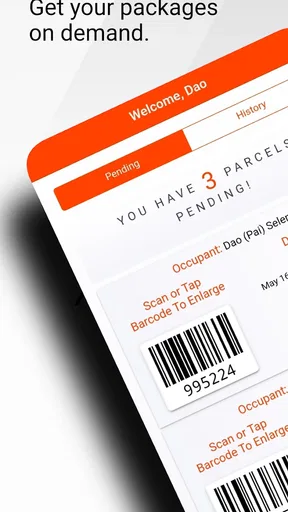
Alright, let's dive into what this app is all about. Parcel Pending is like having your personal concierge for package deliveries. It's designed to make sure you never miss a delivery again by using smart lockers. Sounds fancy, right? The app notifies you when your package has arrived and is safely stashed away in a locker, waiting for you to pick it up whenever it's convenient.
Key Features That Stand Out
Now, let's talk features because that's where the magic happens. The first thing that caught my eye was the real-time notifications. As soon as your package is delivered, you get a ping. No more guessing games or waiting around like a hawk by the door.
Another feature that deserves a shoutout is the secure access. You get a unique code to open the locker, which means no one else can sneak a peek at your new sneakers or that must-have gadget you splurged on during an impulse buy.
And for those of us who are all about convenience, the app offers 24/7 access to your packages. Whether you’re a night owl or an early bird, you can swing by and grab your stuff when it suits you.
Getting Started with Parcel Pending
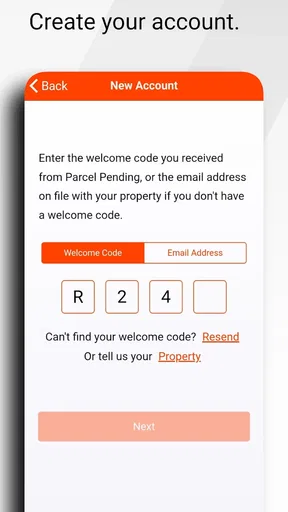
Setting up the app was a breeze. I just downloaded it on my trusty phone, signed up, and was good to go in minutes. The interface is super user-friendly, so even if technology isn't your thing, you'll find it pretty straightforward.
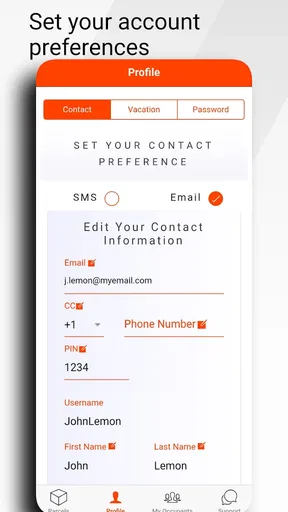
After signing up, I was able to input my delivery preferences and select a locker location that's most convenient. I loved that there were several locker locations to choose from, so I could pick one near my home or office.
My Personal Experience
Let's get personal here. The first time I used Parcel Pending, I was a bit skeptical. I mean, could it really be that easy? But lo and behold, it was! I ordered a new book (because let's face it, I'm a bit of a bookworm), and the moment it was delivered, I got a notification. Picking it up was as simple as punching in the code, and voila, there it was.
What I really appreciated was the peace of mind. Knowing that my package was safe and sound, and that I could pick it up on my own time, was a game-changer.
Final Thoughts
So, is Parcel Pending worth it? In my opinion, absolutely. It's a lifesaver for anyone who's tired of playing hide-and-seek with their packages. The combination of convenience, security, and ease of use makes it a standout in the world of delivery apps.
If you're tired of missed deliveries and want a stress-free solution, give Parcel Pending a try. Trust me; you'll wonder how you ever lived without it.
When this is the right fit—and when it isn’t
I’d recommend it to residents whose building already uses Parcel Pending lockers and who regularly miss door deliveries, have unpredictable work hours, or prefer not to ask neighbors to take parcels in. It can also suit a household where one person handles online orders but another often walks past the locker area. In that case, the useful change is not that the app manages the whole household; it gives the account holder a delivery signal and a pickup route to coordinate.
I’d skip it if you live in a house without access to the service, or if nearly all your parcels go to a staffed reception desk that already handles collection smoothly. A carrier’s own tracking app is better when you need shipment progress across multiple addresses or carriers. Parcel Pending is narrower: it is about the resident-and-locker part of delivery, not a replacement for every retailer or courier app.
Small habits that make the locker workflow smoother
One non-obvious tip is to treat the delivery alert as a prompt to make a plan, not as proof that a parcel has already reached your hands. If I’m out, I can decide whether to collect it on the next ordinary trip or ask a trusted household member to help through the building’s allowed process. This prevents the notification from becoming another item I notice and forget. If a delivery is time-sensitive, I’d check the app when I can act on it rather than relying on memory later.
I’d also pay attention to the pickup code as private access information. It is convenient precisely because it connects a notification to a locker opening, so I would not post it in a shared chat that includes people who have no reason to collect the parcel. For a household handoff, I’d send the code only to the person who is actually picking up that delivery, and only when needed. That is a simple privacy practice, not a claim that the app offers special sharing controls.
Before depending on the app for an important delivery, I’d make sure my resident account and the building’s locker process are set up while there is no urgent parcel waiting. That gives me time to sort out any account or location questions with the appropriate building contact. It is a more reliable approach than discovering a setup issue at the end of a long day when I expected to collect something immediately.
What to expect from the experience
The app’s convenience is tied to the physical locker workflow. A notification and access code can make collection more direct, but I still need to travel to the locker and retrieve the parcel myself. If the locker area is inconveniently placed for my routine, that trip can outweigh the benefit of avoiding a door delivery. I’d consider the actual route from my home, commute, or regular errands before deciding that locker pickup will be effortless.
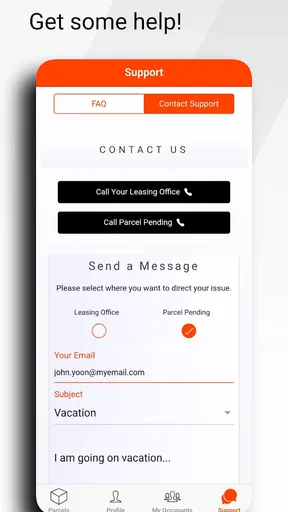
Another practical question is what happens when a delivery does not follow the expected path. I would first distinguish between a carrier delay, an item delivered somewhere other than the locker, and a locker pickup problem; those are different issues and may require different help. The app is useful for its resident locker role, but I wouldn’t assume it can resolve every carrier or building problem from one screen. Keeping the retailer’s order details and the building’s support route accessible is sensible for exceptions.
Likewise, I wouldn’t rely on the app as the household’s only record of a purchase. The account holder should still know what is expected and who owns it, particularly when more than one person orders to the same residence. A quick message that says a parcel is ready and names its owner can prevent the wrong person from taking it or leaving it unclaimed. That small bit of coordination matters more in shared homes than any extra feature would.
My household verdict
The strongest case for Parcel Pending is a resident who has access to the locker service and wants a clearer, more flexible way to receive packages than waiting at home or depending on a neighbor. Its focused approach is also its main limitation: it helps at the locker handoff, but household sharing, account boundaries, carrier tracking, and pickup responsibility still need ordinary judgment and communication.
I’d use it when the building’s setup fits my routine, keep access information limited to the person who needs it, and fold collection into a trip I’m already making. If my home does not use these lockers or I need one place to follow parcels across many carriers, I’d choose a different tool for that job. For the right resident, though, it turns a missed-door-delivery problem into a more manageable pickup routine without asking the whole household to wait around.
Pros
- User-friendly interface simplifies package management.
- Real-time notifications keep you updated instantly.
- Secure storage ensures package safety.
- 24/7 access offers flexibility for pickups.
- Supports multiple delivery services seamlessly.
Cons
- Limited availability in some regions.
- Occasional app crashes reported by users.
- Registration process can be cumbersome.
- No offline access to package info.
- Customer service response can be slow.
FAQs for Parcel Pending
What is Parcel Pending and how does it work?
Parcel Pending is a smart locker system designed to securely store and manage package deliveries for residents, businesses, and retailers. When a package arrives, users receive a notification with a unique code. They can then use this code to access their parcel from the locker at their convenience, ensuring safe and secure delivery.
Is Parcel Pending available for both residential and commercial use?
Yes, Parcel Pending offers solutions tailored for both residential communities and commercial spaces. For residential use, it provides a secure and convenient way for residents to receive packages. In commercial settings, businesses can streamline their mailroom operations and enhance security with centralized package management.
How secure is the Parcel Pending system?
Parcel Pending prioritizes security with individual access codes for each package delivery, ensuring only authorized users can retrieve their parcels. The lockers are constructed from durable materials and are equipped with advanced security features to deter theft and unauthorized access, providing peace of mind to users.
Can Parcel Pending integrate with existing property management systems?
Yes, Parcel Pending is designed to seamlessly integrate with various property management systems. This integration allows for efficient management of tenant information, delivery notifications, and package tracking, providing property managers with a streamlined solution for handling package deliveries and enhancing resident satisfaction.
What happens if a package isn’t picked up from a Parcel Pending locker?
If a package isn't picked up within a specified timeframe, Parcel Pending can send additional reminders to the recipient. Property managers or designated staff may also be notified to handle unclaimed packages. The system ensures that packages are securely stored until they are retrieved, minimizing the risk of lost items.


